
What a Brain Health Study Found
Many of us choose “sugar-free” products because they seem like the healthier option. But a large study raises questions about how regular use of some low- and no-calorie sweeteners may relate to memory and thinking over time.
Artificial sweeteners and sugar substitutes are easy to overlook. They can show up in diet drinks, flavored water, yogurt, gum, protein products, and low-calorie desserts often hidden behind unpronounceable covert names. A person may not add a sweetener to their coffee but yet still consume these ingredients regularly through packaged foods.
A recent study caught my attention. The results show that “sugar-free” DOES NOT mean “a better choice for your health.” Especially if you already have chronic health issues such as diabetes or a history of concussion.
What did the study find?
Researchers in Brazil ran a study for about eight years. Participants reported what they ate and drank, and researchers assessed their memory, language, and thinking skills at three points during the study.
People in the highest sweetener-consumption group had faster declines in overall cognition and memory than people in the lowest group. Researchers described the difference as roughly equivalent to 1.6 years of aging. The association was stronger in participants with diabetes. And pre-diabetes.
The sweeteners studied were aspartame, saccharin, acesulfame-K, erythritol, xylitol, sorbitol, and tagatose. Higher consumption of six of them—aspartame, saccharin, acesulfame-K, erythritol, xylitol, and sorbitol—was associated with faster decline in global cognition, especially memory and verbal fluency. Tagatose was not associated with cognitive decline in this study.
This was an observational study, and found an association between higher sweetener intake and faster cognitive decline. The study also issued a warning about using sweeteners even once a week.
The diabetes finding is worth paying attention to; the study did not show that every person with diabetes will be affected in the same way. Some were impacted far more rapidly than others. Chronic inflammation is an important topic in brain health, it is important that people with autoimmune or other inflammatory conditions have an awareness that they may be at a greater sweetener-related risk.
Why brain health matters
Memory and thinking affect everyday life: remembering conversations, finding the right words, learning new things, making decisions, and keeping up with responsibilities. Changes in these abilities can affect a person’s confidence and independence, as well as the people who care about them.
This study gives us reason to look more closely at habits we may have considered harmless simply because the products are labeled “diet,” “light,” or “sugar-free.” These ingredients are often part of our daily routine without us noticing how often we consume them.
What about sweetener alternatives and brain support?
Dr. Daniel Amen’s company, BrainMD, offers a formula called Brain Memory. It contains: Bacopa monnieri, Lion’s Mane, L-theanine, Alpha-GPC, N-acetyl-L-tyrosine, phosphatidylserine, Rhodiola rosea, caffeine, citicoline, Ginkgo biloba, BioPerine, and Huperzine. It is marketed for memory and cognition support. That formula was not tested in the sweetener study, and the study does not show that it prevents or reverses cognitive decline. However, I feel this is an excellent option for those looking for a brain support supplement.
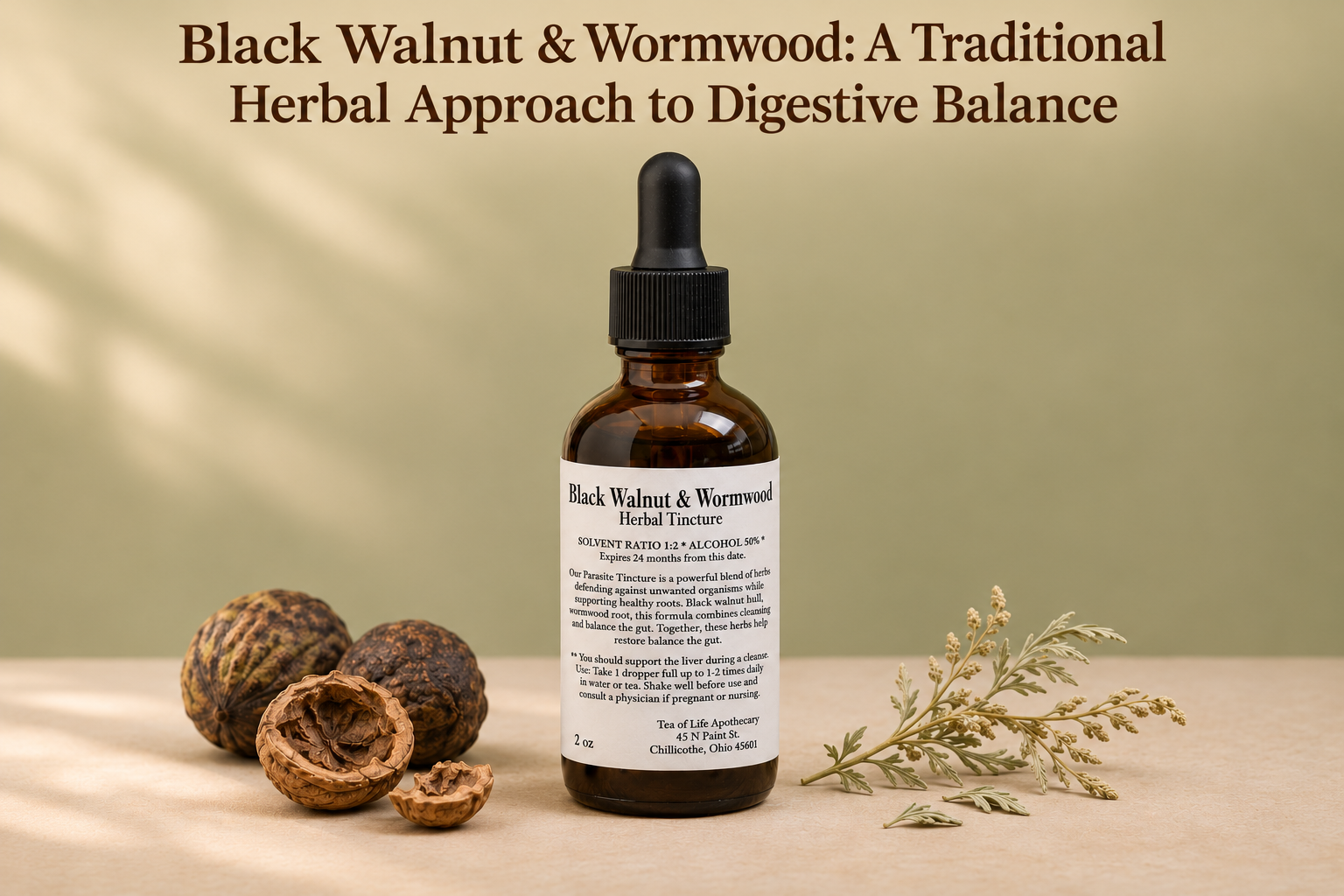
At Tea of Life Apothecary, we also offer two products made with herbs and other ingredients traditionally used to support aspects of mental wellness. These are options for a supportive apporoach—not treatments for cognitive decline.
Neuro-Support tincture contains:
- Lion’s Mane mushroom
- Bacopa monnieri
- Ginkgo biloba
- Gotu kola
- Skullcap
- Ashwagandha
- Turmeric
The ingredients are traditionally used for different kinds of support, including memory, mental clarity, stress resilience, and nervous system balance.
Monkey Brain tea combines yerba mate and green tea with Bacopa, Ginkgo biloba, Ashwagandha, Saffron, Spearmint, Lavender, and a 14-mushroom blend of Lion’s Mane, Reishi, Chaga, and Cordyceps, etc. It brings together natural caffeine from the tea with ingredients traditionally used for focus, mood, and calm energy. Because it contains caffeine, it may not be a good fit for everyone, especially later in the day so we recommend drinking it BEFORE noon.
Supplements and herbs can interact with medications and may not be appropriate for everyone. If you take prescription medication, have a medical condition, or are considering adding several products at once, speak with a qualified healthcare professional first.
My take: let’s read the labels and ask better questions
I find this study concerning enough that routine use of low- and no-calorie sweeteners should be eliminated for optimal benefits. I don’t think this information should be dismissed just because these ingredients are marketed as a healthier choice. Be aware of marketing ploys and verbiage that is designed to reel you in and get you to believe that an item is good for you, when in reality it is chalked full of artificial sweeteners and often other chemicals that are anything BUT good.
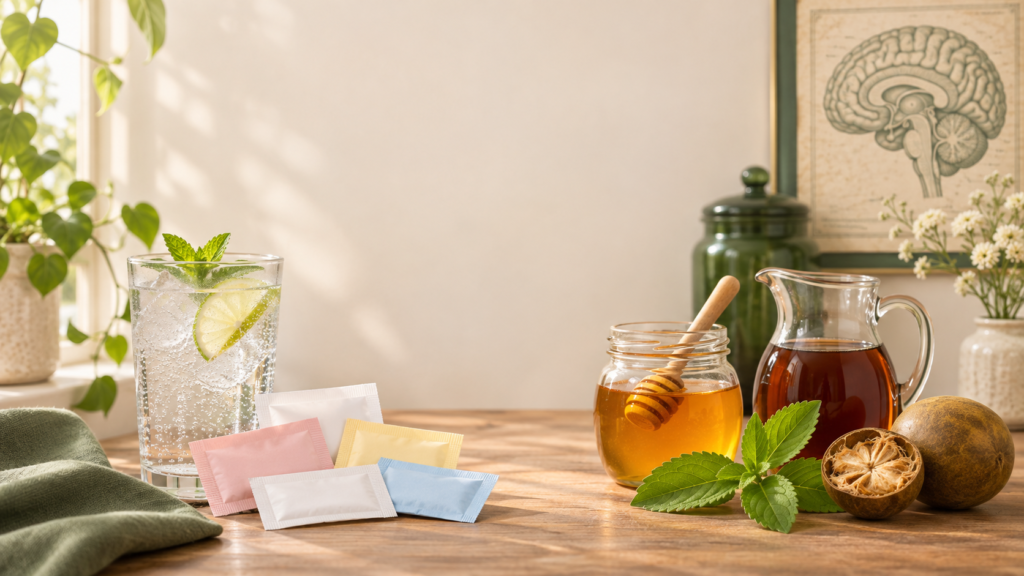
Honey and maple syrup are healthier alternatives, they are still sugars and can affect blood glucose, but they are NATURAL options. Allulose, stevia, and monk fruit are other healthier options people may consider. They did not show the same cognitive impact that the sweeteners listed above did.
The practical takeaway is to check ingredient lists, notice how often sweeteners appear in everyday foods, and make a conscious effort to reduce or eliminate them from your diet. If you have diabetes or another health condition, seek guidance from your healthcare professional and a holistic dietitian or nutritionist.
This article is for educational purposes. It does not diagnose, treat, cure, or prevent disease, and it does not replace individualized medical advice.