Most store-bought holiday blends fall flat because they’re missing the right ingredient balance. The good news is that once you know what actually matters, finding exceptional Herbal Christmas Tea becomes simple. Each ingredient serves a real purpose: cinnamon builds warmth, orange peel brings brightness, and rose petals add a delicate floral note that transforms your cup from ordinary to memorable. You don’t need to spend a fortune or hunt for exclusive brands. Once you learn what each ingredient does and how it fits into your cup, finding a great holiday tea becomes easy.
This guide walks you through the exact ingredients that make Christmas tea something worth drinking. By the end, you will know exactly what to look for when purchasing holiday blend tea.
The Secret Notes That Make Christmas Tea a Holiday Must-Have
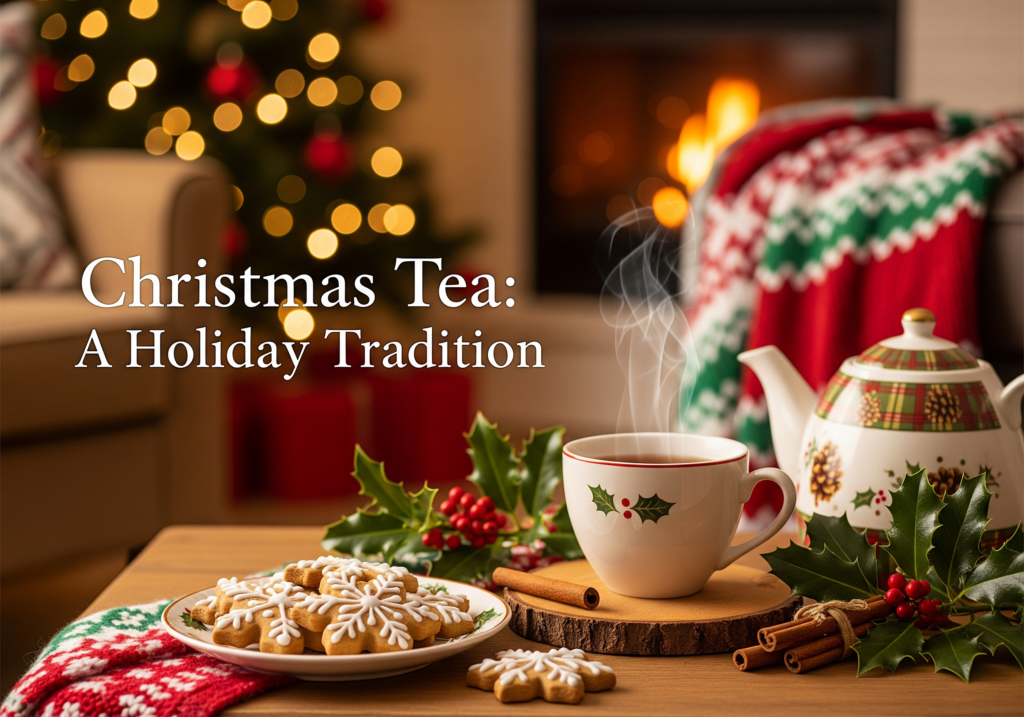
Holiday herbal tea works because it reaches you in different ways at once. The warmth spreads through your hands when you hold the mug. You smell the aroma before you taste anything. Then the flavor arrives, and if someone made it right, it’s not just one taste. It’s several tastes happening together. That combination is what makes you remember it.
When you drink memorable holiday tea, you notice these things:
- The smell spreads through your room and makes people ask what you’re drinking
- Different flavors touch your taste buds in a single sip instead of tasting the same the whole time
- You feel warm and calm at the same time from the thoughtful blend of ingredients
- You actually sit down and enjoy drinking instead of rushing through it
What Each Ingredient Brings to Your Cup?
Having the perfect Christmas tea means understanding what each ingredient does. Spices give warmth. Fruity flavor keeps things delicious and interesting. Sweet additions create comfort. When you put them together the right way, something really good happens.
Let’s look at what each part of your tea actually contributes.
The Warm Spices That Make It Feel Like Christmas
The moment you smell Christmas tea flavors, you’re smelling warm spices. These scents fill your kitchen and remind you right away that it’s the season. Cinnamon is what most people notice first, but the real work happens when you layer different spices on top of each other.
Cinnamon is the main ingredient in most herbal teas. It provides warmth and sweetness that everyone recognizes as a holiday flavor. That’s why you find cinnamon in almost every herbal Christmas tea. It pairs well with fruits and chocolate and complements floral spices like cardamom. When you taste the cinnamon in your tea, you get that comforting golden flavor that brings back memories.
- Cinnamon is the main ingredient in most herbal teas. It provides warmth and sweetness that everyone recognizes as a holiday flavor. That’s why you find cinnamon in almost every Herbal Christmas Tea.
- Cloves add a deeper, more complex layer that keeps the blend interesting and multi-dimensional. They work behind the scenes, supporting the other flavors without overwhelming them.
- Ginger adds mild brightness and subtle heat, keeping the blend balanced and avoiding a sweet edge. It adds dimension without dominating.
- Orange peel does several things for your tea at once. It brings a fresh, sharp taste that wakes up your mouth. The natural oils in the peel add a bright, almost floral quality, making your blend feel more sophisticated.
- Cranberries bring sour notes that balance sweetness and keep things from tasting flat or one-dimensional.
Experience the Magic of Christmas Time with Herbal Christmas Tea Blend
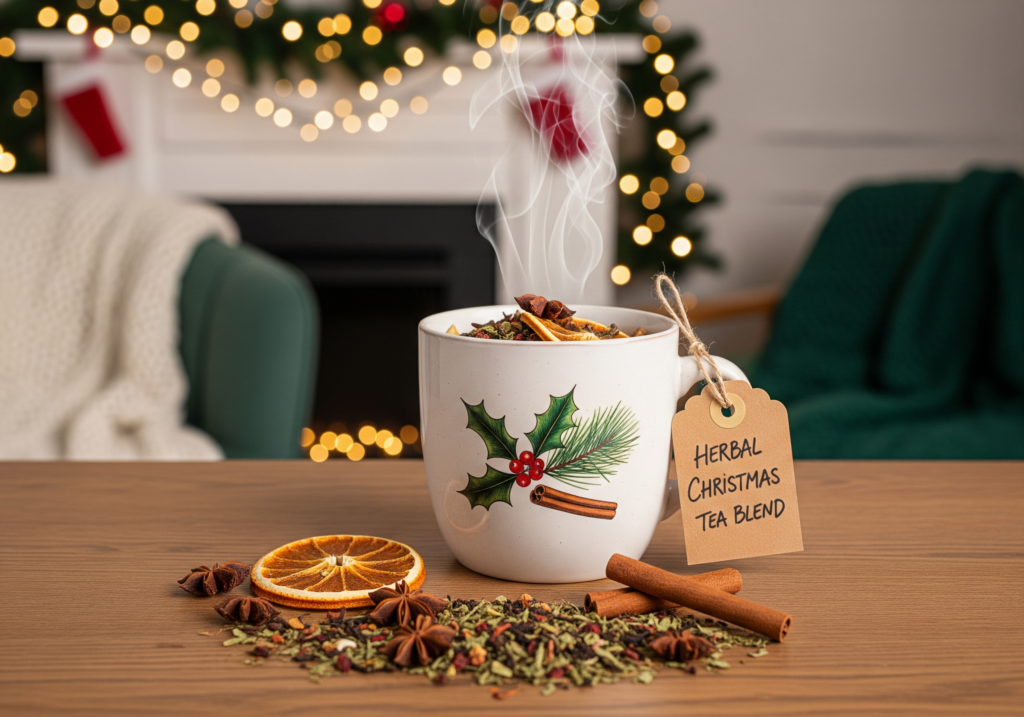
Fruit and citrus in holiday blend tea matter just as much as spices do. Ingredients create the warmth. Fruit creates freshness that cuts through the heaviness. After you drink the warm spice blend for a bit, your mouth wants something sharp. That’s where citrus comes in and works so well.
Orange peel does several things for your tea at once. It brings a fresh, sharp taste that wakes up your mouth. The oils in the peel add a note that’s almost floral, making your blend feel nicer. Cranberries bring sourness. That sharp, tart quality balances sweet spices in a way that matters.
Here’s what fruit does for your holiday blend tea:
- Orange peel brings sharpness and natural oils that spread through your whole tea
- Cranberries bring sour notes that balance sweetness and keep things from tasting flat
- Apple brings soft fruit flavor that works with spices without pushing them aside
Sweet Notes That Create Comfort
Sweet ingredients in Christmas tea help balance everything else and make it feel pleasant to drink. Some people want their holiday herbal tea to taste almost like a dessert. Others just want a tiny bit of sweetness to smooth out the spices. Both choices work fine.
Vanilla is the commonly used flavor in herbal teas. It creates a smooth, almost creamy texture without making the blend heavy. Vanilla also softens sharp spice tastes and makes everything feel more blended. Honeybush and rooibos are naturally sweet on their own, so they work well if you want sweetness without caffeine. You can drink these anytime, even at night, without staying awake.
Here’s what sweet elements do for your Christmas teas:
- Vanilla brings smoothness that balances the sharp spice flavors
- Rooibos and honeybush give natural sweetness and don’t have caffeine
- Cocoa and chocolate add richness that makes your tea feel like a treat
How To Choose Your Base Tea For Christmas?
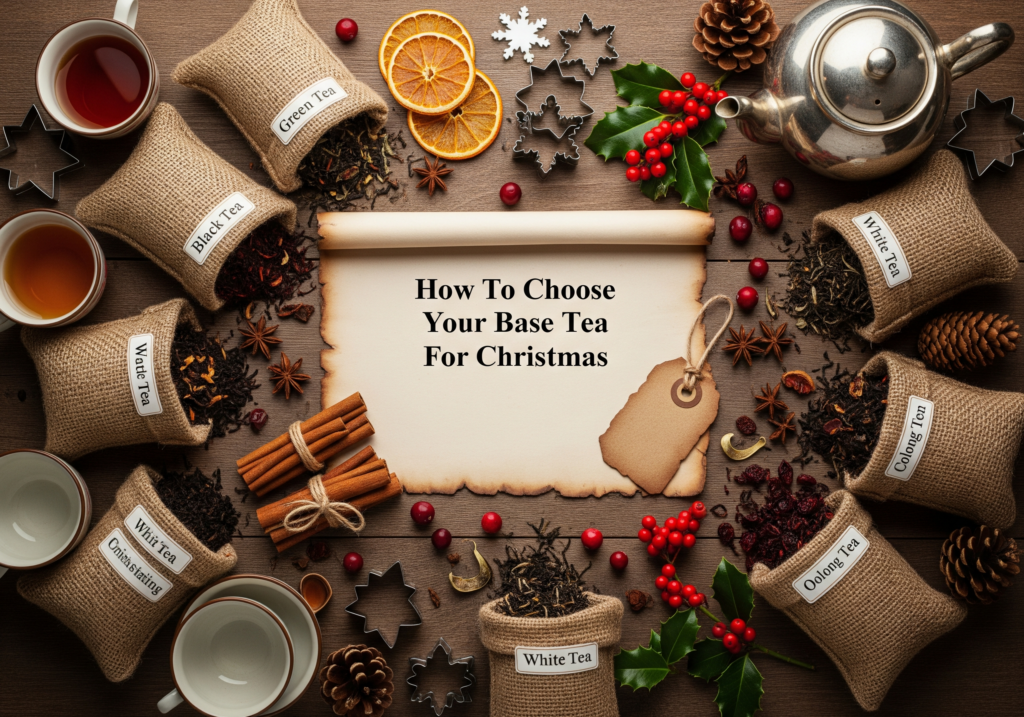
The tea underneath everything else matters a lot. Black tea is strong. It does not fully blend with spices. If you want that deep, full-flavored tea where you can taste all the layers, black tea is what you pick. Herbal teas like rooibos are gentler. They are sweeter on their own. Many people find they work better if caffeine bothers them or if regular tea upsets their stomach. Your best tea for Christmas might actually sit on a rooibos base instead of black tea, and that’s completely fine. Some people notice that holiday herbal tea tastes better because each ingredient can be tasted without competing with the others.
Here’s how different bases work:
- Black tea brings a strong flavor that makes spices taste sharper and more interesting
- Rooibos and herbal Christmas tea bases are milder and let each flavor shine on its own
- Green or white tea bases work when you want something lighter but still with some body
Final Thoughts
Christmas tea is really about taking something for yourself. It’s that small amount of time when you’re not working, planning, or worrying. You are just there with your cup, doing something that feels like you chose it and cared about it.
At Tea of Life Apothecary, that’s precisely what we deliver. Our Herbal Christmas Tea collections are built on the belief that the holidays deserve a tea as special as the season itself. This season, treat yourself to tea that actually tastes like the holidays. Forget ordinary tea and pick something that matters.
FAQs
What are the ingredients in Christmas mystery tea?
Most Christmas tea blends start with cinnamon, cloves, and ginger mixed with orange peel and cranberries. Vanilla or cocoa gets added for sweetness. Different companies change the amounts, but the core stays the same across brands.
What Tea is Good For Manifesting?
Herbal blends with grounding spices work well for an intentional tea time. Ginger helps with focus. Cinnamon brings warmth. Something calming, like rooibos or chamomile, helps you think clearly and set your intentions.
What are the ingredients in Christmas Tea?
You will find warm spices like cinnamon, cloves, ginger, and cardamom, mixed with citrus, such as orange peel. Dried fruits like cranberries and apples go in. Sweet touches like vanilla or honey get added. Black tea or herbal bases like rooibos make up the foundation.
What are the Ingredients in Yogi Christmas Tea?
Yogi makes their blend with organic cinnamon, cardamom, clove, and ginger. They use rooibos as the base. Organic black pepper and vanilla round out the flavor. It’s made to be caffeine-free while still delivering that full holiday spice flavor.
Why Does Premium Christmas Tea Taste Different From Grocery Store Brands?
Better blends use whole spices and fruits rather than dust and broken pieces. The sourcing is cleaner. The amounts are actually balanced right. You taste each ingredient, not just “spice,” and feel let down after the first sip.