
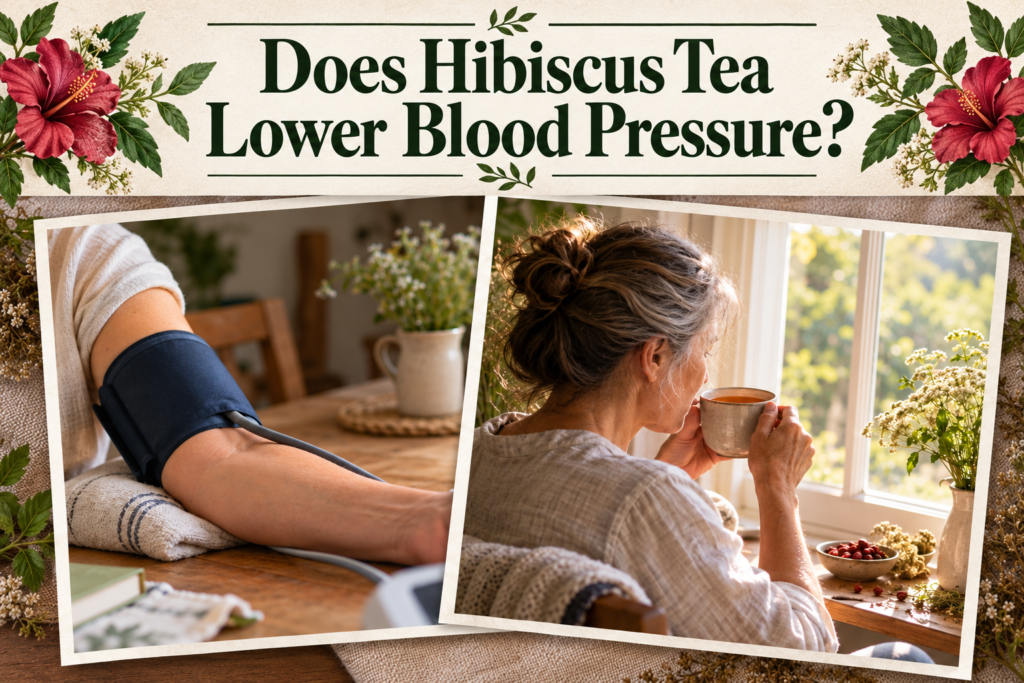
What to Know Beyond the Social Media Trend
“Do you carry hibiscus? I saw online that it lowers blood pressure.”
We’ve been hearing this question more often at Tea of Life Apothecary. People are calling and stopping in after seeing videos on TikTok and Facebook about hibiscus tea. While there is real research behind its potential to help, but a short video rarely explains the whole picture: how much was studied, how long it took, who participated, or whether it’s appropriate alongside your medications.
As a nurse and herbalist, I welcome the curiosity. I also want us to move beyond finding one herb and start asking a bigger question:
What does your cardiovascular system need support with—and what can you realistically change in your everyday life?
What Does the Research Say About Hibiscus?
The hibiscus commonly studied for blood pressure is Hibiscus sabdariffa, also called roselle. The fleshy structures surrounding the seed pods—make a tart, ruby-red beverage. In a randomized trial of 65 adults with mildly elevated blood pressure who were not taking blood pressure medication, participants drank three approximately 8-ounce servings of hibiscus tea daily for six weeks.
Their systolic blood pressure—the top number—fell by an average of about 7 points, compared with about 1 point in the placebo group. However, the difference in the bottom number was not statistically significant. These are group averages, and individual responses varied considerably. This information is encouraging. It also tells us something important: this was consistent use over several weeks, not evidence that a cup of hibiscus can safely bring down a dangerously high reading.
Hibiscus may have a place in a blood-pressure care plan. It does not replace evaluation, monitoring, or prescribed treatment.
Is Hibiscus the Best Herb for Everyone?
There isn’t one universal herb that is perfect for every person. Your usual readings, medications, medical history, preferences, and daily habits all matter. A tart hibiscus tea might suit one person beautifully. Someone else may prefer a different flavor or want to discuss a broader traditional herbal formula. That is where an individual conversation becomes more useful than following a trend.
Some people handle Hibiscus well, others may experience a mild to moderate headache when drinking it due to the tannin content.
Why We Offer Hawthorn & Yarrow Herbal Tea
While Hibiscus is an option, at Tea of Life Apothecary, our Hawthorn & Yarrow Herbal Tea was created with everyday cardiovascular wellness and a calming tea ritual in mind. This blend can be used alone, or in combination with Hibiscus tea.
This caffeine-free blend contains:
- Hawthorn
- Yarrow
- Linden flower
- Nettle leaf
- Rooibos
- Goji berry
Its smooth, earthy flavor has light floral notes and subtle fruit sweetness.
Hawthorn has a long history in traditional cardiovascular herbal practice. Human research is promising but limited. For example, a small, randomized trial found a modest improvement in diastolic blood pressure with a hawthorn extract over 16 weeks. Yarrow and linden bring their own histories of traditional herbal use.
Many of our customers have told us they find this blend helpful in their wellness routines. I value those experiences, while recognizing that customer reports cannot tell us whether the tea, other lifestyle changes, medications, or a combination produced the improvement.
Our goal is to help you choose thoughtfully and build a routine you can maintain.
Preparing the Tea
Our brewing directions are 1 teaspoon in 8 ounces of hot water, steeped for 5–10 minutes. Before making it a daily habit, review the ingredients with your healthcare professional or pharmacist, especially if you take heart or blood pressure medicines. Follow the product label and your individual care plan.
What About Our Hawthorn & Cayenne Tincture?
For people who prefer a liquid extract, we also offer Hawthorn & Cayenne Herbal Tincture. It combines hawthorn berry, cayenne pepper, nettle leaf, yarrow, linden flower, rooibos, and goji berry.
A tincture can be convenient, but it is a different preparation from tea. Its concentration and directions matter, and a dropperful should not be treated as interchangeable with a cup of tea. We recommend reviewing its suitability before combining it with hibiscus, other cardiovascular herbs, or prescription medicines. Starting several products at once makes it harder to understand what is helping—or causing unwanted effects.
Does Cayenne Help Blood Pressure, Cholesterol, or Circulation?
Cayenne is a warming herb with a long history in traditional herbal practice. Capsaicin, one of its active constituents, has attracted research interest for effects on blood vessels and metabolism.
A recent review of randomized trials found mild-moderate changes in total cholesterol and diastolic blood pressure. That makes cayenne tincture an option to assist with lowering cholesterol, improving circulation, or treating hypertension.
Things to consider when choosing Cayenne. A warming sensation does not prove that blood flow has improved and Cayenne can irritate the mouth or digestive tract, so tolerability matters, too.
The Part I Don’t Want You to Miss: Learn New Coping Skills
Herbs can be part of the conversation. However, the way we move through each day has a significant impact on our health. Stress can temporarily raise blood pressure as stress hormones increase heart rate and tighten blood vessels. Ongoing stress may also affect sleep, food choices, alcohol use, and our ability to maintain healthy habits. Managing stress belongs in cardiovascular care, although hypertension has many causes and isn’t simply a sign that someone needs to relax.
“Manage your stress” can feel like frustrating advice when you’re already overwhelmed. Often times we are told this by a doctor or healthcare provider, but there is NEVER follow up information to help understand HOW to do it. Awareness is one of the first steps and with this awareness it is important to understand that coping mechanisms and living patterns have contributed to your current health concerns, CHANGE is the best medicine for long lasting effects.
Learning a new coping skill gives you something more practical to do.
Try choosing one:
- Take a brief breathing pause. Breathe gently and comfortably, allowing a slightly longer exhale without forcing or holding your breath.
- Pause before responding. Give yourself a moment before answering a stressful message or agreeing to another commitment.
- Change your point of view. When dealing with stressful or emotional situations, look at the event from the other persons perspective. We react from OUR vantage point, sometimes looking at the events from a different point of view can help reduce the reactivity and thereby the stress associated with it.
- Practice a boundary. “I can’t take that on today” is a complete and useful response.
- Use a grounding routine. Sit with your feet supported, notice your surroundings, and release tension in your shoulders.
- Make room for prayer or quiet reflection. A few undistracted minutes can become a dependable part of your day.
- Ask for support. Counseling, coaching, or a trusted support person may help you develop tools for recurring stress.
These are practices to build over time. They are not emergency treatments for a high reading.
Nutrition: Look at Your Everyday Pattern
You don’t need a perfect diet to begin making helpful changes. I typically recommend the G-BOMBS (and protein) eating pattern for reducing inflammation, improved nutrition and assisting with cardiovascular support. It emphasizes Greens, Beans, Onions, Mushrooms, Berries, Seeds, and lean proteins while reducing sodium and foods high in saturated fat. Eliminate fast foods and processed foods such as lunch meats. I also encourage the use of spices in everyday meals. Turmeric, Black Pepper, Celtic Salt, Cayenne Pepper, Ginger, Cumin, Cardamom, Ceylon Cinnamon, and Garlic are great to have on hand and to use routinely.
A few manageable starting points:
- Add a vegetable to a meal you already eat.
- Replace some heavily salted packaged foods with simpler options.
- Compare sodium per serving on soups, sauces, dressings, and frozen meals.
- Include fiber-rich foods such as beans and vegetables.
- Choose unsweetened drinks more often. (eliminate energy drinks and soda)
- Review alcohol intake and whether caffeine affects your readings.
Potassium-rich foods can also be helpful, but people with kidney disease or certain medications may need to limit potassium. Check before adding potassium supplements or potassium-based salt substitutes.
Does Switching to Sea Salt or Celtic Salt Help?
You may prefer sea salt or Celtic salt for their taste and texture. That is a personal choice. However, they still contain substantial sodium. Their trace minerals do not make them a blood-pressure treatment or cancel the effects of sodium, but the minerals DO HELP with absorption of water which impacts your overall hydration.
Table salt (once opened) the iodine evaporates out over time. Keeping your salt in a sealed dispenser is recommended. Celtic Salt and Sea Salt have many minerals locked into each salt crystal. It only takes a pinch on the tongue, allow it to dissolve prior to drinking water to increase your overall water absorption. DEHYDRATION can impact blood pressure.
If using a flavorful finishing salt is your reference, try adding a dash of Celtic or Sea Salt with it. For many people, the bigger blood pressure impact comes reducing sodium from packaged foods and restaurant foods.
Hydration, Sleep, and Movement Belong in the Plan
Hydration: Drink regularly according to your needs. If you have heart failure, kidney disease, or a prescribed fluid limit, follow your clinician’s guidance.
Sleep: Give yourself a consistent opportunity to rest. If you snore loudly, wake gasping, or feel exhausted despite enough time in bed, ask about sleep apnea rather than assuming you simply need a stronger evening tea. Consider mouth tapping this can have profound impact on overall sleep.
Movement: Begin with activity you can manage and build gradually. One of the easiest starting options is a vibration plate or a rebounder (mini trampoline). Regular physical activity can help blood pressure and stress; a short walk is also a great place to start. These habits work alongside medical care. Needing medication does not mean you failed at natural wellness.
Measure What’s Happening
Feeling calmer is valuable, but it doesn’t tell you whether your blood pressure is controlled. High blood pressure often has no noticeable symptoms. Use a validated upper-arm monitor with the correct cuff size. Before measuring, sit quietly for five minutes with your back supported, feet flat, and arm supported at heart level. Avoid exercise, caffeine, and smoking for 30 minutes beforehand. Take two readings one minute apart and keep a record for your clinician.
If you add an herbal product, record when you started it and any symptoms. Don’t reduce or stop prescribed medication on your own.
A Few Important Herbal Precautions
“Natural” products can still interact with medicines.
Hawthorn deserves particular review alongside cardiovascular medicines, including digoxin and drugs that lower blood pressure. Goji has published reports of interaction with warfarin (blood thinner). Have a pharmacist or prescribing clinician familiar with herbs review the complete formula, rather than checking only its headline ingredient.
Seek individual advice before using these blends during pregnancy or breastfeeding, with low blood pressure, or with significant heart or kidney conditions.
If either blood pressure number is above 180 systolic or 120 diastolic, repeat the measurement after at least one minute. If it remains that high, contact a healthcare professional immediately. With chest pain, shortness of breath, weakness, vision changes, difficulty speaking, or other concerning symptoms, call 911.
Don’t wait for tea or a tincture to work. These are SUPPORTIVE options, they are not meant to TREAT any condition.
Let’s Talk About Your Whole Routine
Hibiscus is more than a social media trend: it has research worth discussing. Hawthorn and other traditional herbs also deserve thoughtful, individual consideration as discussed above.
But the most useful conversation goes beyond…..
How are you sleeping? What happens when stress builds? What are you eating regularly? Are you monitoring your readings? Have your medications and supplements been reviewed together?
At Tea of Life Apothecary, we believe education and consistent habits are part of caring for yourself. We’re happy to explain our Hawthorn & Yarrow Herbal Tea, Hawthorn & Cayenne Tincture, and other herbal options so you can have an informed conversation with your healthcare team. We also carry Hibiscus Tea, Cranberry & Hibiscus, and Blueberry & Hibiscus tea blends.
Stop in, send us a message, or explore www.teaoflifeapothecary.com.
—Angel, nurse, herbalist, and owner of Tea of Life Apothecary
This article is for education and does not replace individualized medical care. Our finished herbal blends have not been evaluated by the FDA.