

What Research Says About Rest, Travel, and Nature
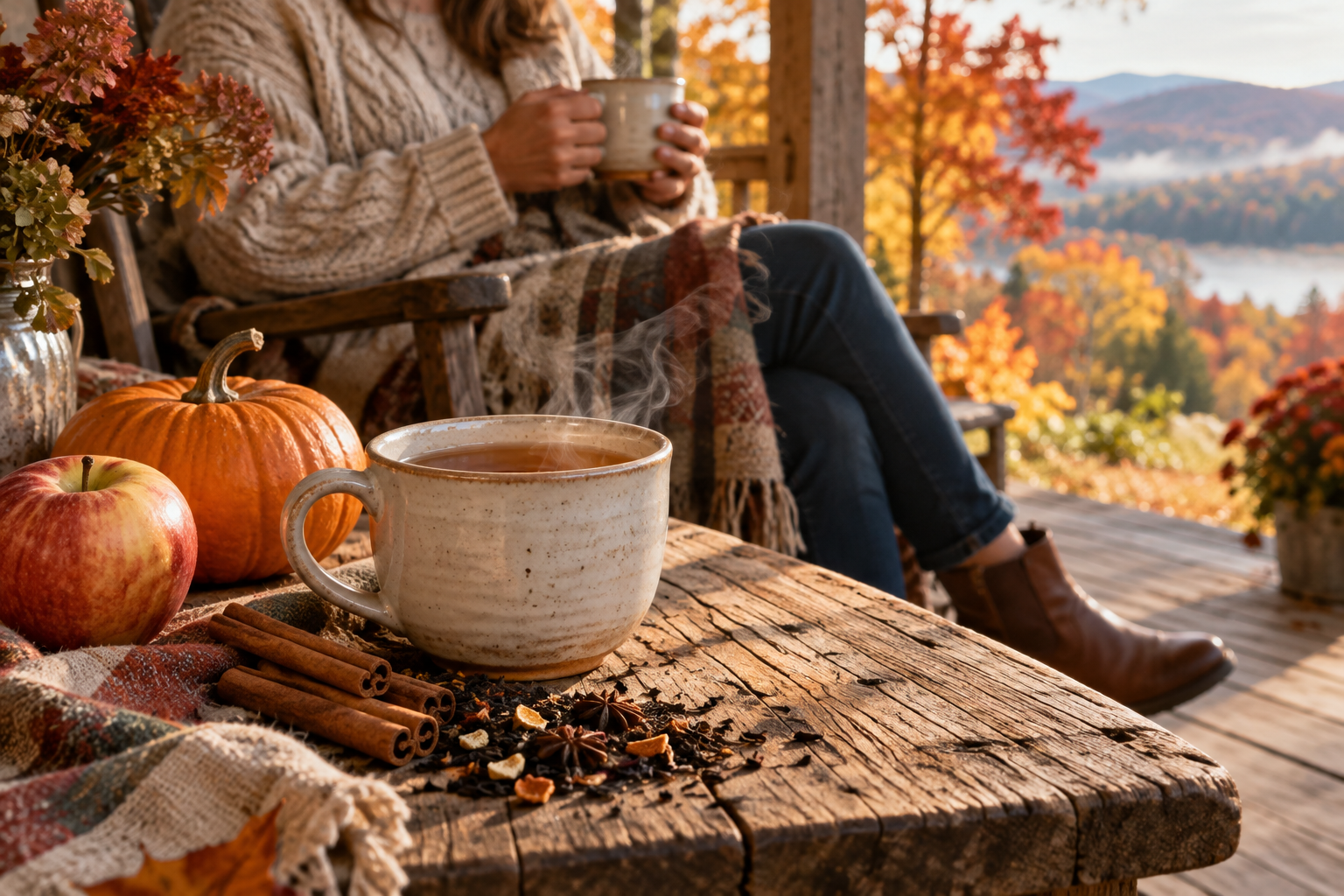
Imagine crisp air, colorful leaves, a favorite sweater, and nowhere you need to be for a little while. Maybe your version of a break is a beach, a mountain trail, a cruise, or simply a quiet day at home with a good book and a warm mug of tea.
Time off can feel like a treat, but it may matter for our health, too. When work and daily responsibilities keep us in a constant state of “go,” stress can affect how we feel physically and emotionally. Rest gives the mind and body a chance to step out of that cycle.
What happens when we go too long without a break?
Stress is a normal response to demands. But when those demands feel constant, the stress response can stay switched on for too long. Chronic stress may affect sleep, mood, concentration, digestion, muscle tension, and energy. Over time, it can also place strain on the body’s systems.
A 2025 meta-analysis of 32 studies found that vacations improved employee well-being. It also found that mentally detaching from work and being physically active during time off were among the experiences most associated with better well-being.
In a survey of 3,024 U.S. physicians, taking fewer vacation days and working during vacation were associated with higher burnout. This study can’t prove that time off prevents burnout for everyone, but it supports a practical point: breaks may be more restorative when work doesn’t follow us into every day of them.
What have researchers measured in nature settings?
A trip can offer more than a break from the usual schedule. It may also bring time outdoors, gentle movement, new sights and sounds, and connection with other people. Researchers have studied some of these experiences directly.
Ocean and beach time
Researchers often group oceans, coasts, lakes, and rivers under the term blue spaces. A systematic review and meta-analysis of 50 studies found that contact with blue spaces was associated with greater feelings of restoration. More blue space nearby was also associated with higher physical activity. These findings suggest that water settings may offer a welcome combination of calming surroundings and opportunities to move—but they don’t prove that a beach visit treats a health condition.
A broader review of quantitative research on outdoor blue spaces also found promising links with health and well-being, while calling for more long-term research to clarify cause and effect. So a beach walk, swimming, or simply sitting by the water may help create a restorative experience; claims that ocean air or salt water “detoxes” the body or cures illness go beyond what this research establishes.
What about cruises?
One study surveyed 548 passengers at the end of a week-long Caribbean cruise. Passengers reported lower stress and improvements in perceived overall health and relationship satisfaction after the trip. Those are encouraging results, but the researchers asked people to compare how they felt after the cruise with how they remembered feeling before it. The study relied on self-reports, so it can’t show that cruising itself caused lasting physical changes.
A separate small study followed 17 students on a seven-day cruise using activity diaries and heart-rate monitors to examine perceived and physiological stress. It illustrates that researchers are beginning to measure the body’s responses during travel, but a pilot with 17 participants is far too small to establish a general health benefit for cruise passengers.
A cruise may offer relaxation, shared experiences, excursions, and a break from routine. The ship itself isn’t a medical treatment, and travel can bring stressors of its own. The most restorative parts may be the time away, movement, enjoyable activities, and connection with others.
Forest bathing and time among trees
Forest bathing, or shinrin-yoku, means spending unhurried, attentive time in a forest. It doesn’t require a strenuous hike: the idea is to slow down and notice the sights, sounds, and smells around you.
Researchers have measured short-term changes during forest exposure, including salivary cortisol, a stress biomarker. A systematic review and meta-analysis included 22 studies, with eight included in the pooled analysis. It found lower cortisol levels in forest groups than in urban comparison settings, but the authors noted that the evidence was limited and that expectations or placebo effects could play a role.
Another systematic review and meta-analysis included 36 studies and 3,554 participants. It found that forest bathing was associated with reduced symptoms of anxiety and depression, though it did not find as many benefits for physiological outcomes. That makes forest time a promising way to support well-being—not a replacement for care when someone needs treatment.
Why these experiences may feel restorative
A forest walk can combine gentle movement with a quieter sensory environment. Time near the ocean can invite a walk, swim, or moment of stillness. A cruise or vacation can give us a change of pace, shared memories, and time away from familiar responsibilities.
These experiences may help us feel less mentally crowded and more present. That matters because emotional restoration—feeling calmer, less depleted, and more connected—can make it easier to return to everyday life with renewed energy.
The benefits don’t require a plane ticket or a packed itinerary. A staycation, a local walk, an afternoon by a lake, or a few hours in a nearby park can also make room for restoration.
Build small moments of recovery into everyday life
We don’t have to wait for a trip to care for ourselves. A few steady, manageable practices can help make room for rest and resilience:
- Take a few minutes for slow breathing, prayer, meditation, or quiet reflection.
- Stretch, walk, or spend time outdoors when you can.
- Protect a calming bedtime routine and make space for sleep.
- Set boundaries around work messages during time off.
- Brew a cup of tea and let the pause become part of the ritual.
The National Center for Complementary and Integrative Health reports that relaxation practices such as deep breathing, guided imagery, and progressive muscle relaxation can help counter the effects of stress. Slow, deep breathing may modestly reduce cortisol and blood pressure.
Herbal tea can be a comforting part of that daily pause. The aroma, warmth, and time spent sipping can help mark a moment for yourself. Herbal tinctures and other complementary practices may also be part of a personal wellness routine. Their effects depend on the specific herb and person, and herbs can interact with medications or be unsuitable in some circumstances. A qualified health professional can help you consider what is appropriate for you.
Gentle movement, massage, acupuncture, and guided relaxation are other options people may choose as part of an integrative approach. Evidence varies by modality and condition, so it’s best to view these as potential supports for well-being—not guaranteed cures or replacements for medical care.
Go ahead and mark the date
A 2025 Cureus article recommends planning brief vacations about every two months. It is an editorial, not a trial that established a universal schedule, so think of that timing as a helpful prompt to plan regular recovery—not a rule you have to meet.
The larger message is worth carrying with us: rest matters. Time off can give us space to sleep, move, reconnect, enjoy nature, and step away from daily pressures. Small daily practices—like a calming cup of tea, a few minutes of breathing, or a walk outside—can help us keep making room for recovery between trips.
So go ahead and mark a date on the calendar. Plan the beach, the cruise, the forest trail, the day trip, or the cozy staycation. Your break doesn’t need to be perfect to be meaningful. It just needs to give you a little space to pause, recharge, and return to yourself.